Old Fashioned Methods
Modern Times
Stewardship of the land — The soil is treated as a living partner. Practices focus on building fertility naturally, protecting biodiversity, and leaving the land healthier for future generations.
Simplicity and tradition — Time‑tested methods—hand weeding, natural amendments, seasonal rhythms—are honored as reliable, respectful ways to grow food.
Organic integrity — No synthetic chemicals, no shortcuts. The focus is on clean, honest food grown with transparency and care.
Self‑reliance and craftsmanship — Many products are made on‑site, by hand, using skills passed down through generations. This includes preserves, soaps, herbal goods, and other farm‑crafted items.
Connection to nature — Work is guided by weather, seasons, and the natural pace of growth rather than industrial schedules.
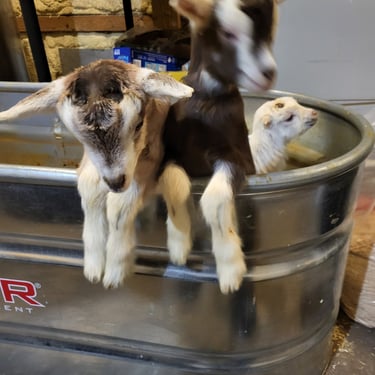
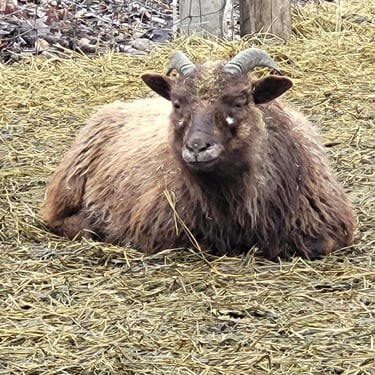
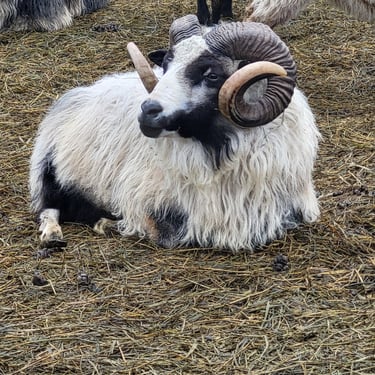
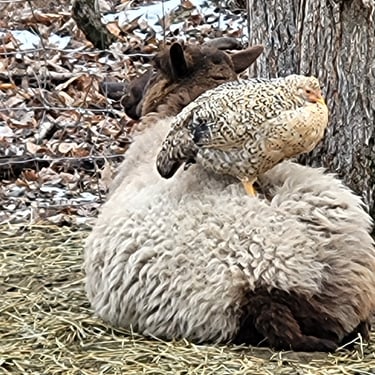
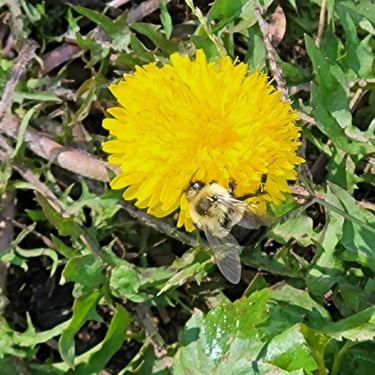
Respect for animals and ecosystems — Wildlife, pollinators, and beneficial insects are seen as part of the farm community, not pests to eliminate.
Community and education — Sharing knowledge through classes, workshops, and farm experiences helps others reconnect with real food and traditional skills.
Local, direct relationships — Selling straight to the consumer builds trust, reduces waste, and keeps food close to home.